Pet Care Tips
What Most Pet Owners Don’t Know About Pet Nutrition
We must clarify an important point: pets are not simply toys; they have their own emotions, needs, and habits. Many people, when choosing a pet, often only consider its appearance, ignoring its lifestyle and needs. For example, many people believe that dogs only need to be fed, unaware that different breeds of dogs have vastly different dietary requirements. Some dogs need a high-protein diet, while others need low-fat food. Improper feeding can lead to health problems such as obesity and malnutrition.
Should pets be given treats?
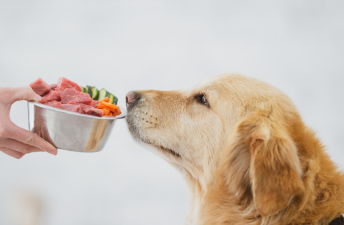
Dogs and cats can tolerate a controlled number of treats, as long as they do not exceed 10% of their daily calorie intake. Commercial pet treats can be given, especially during training. Human fruits and vegetables are a good choice, but avoid ingredients that are toxic to pets (such as onions, garlic, chocolate, macadamia nuts), including products containing xylitol.
A crucial lesson before feeding: Understand your pet first
Different pets have vastly different physiological structures, diets, and nutritional needs. A "one-size-fits-all" approach to feeding is a source of health risks. Before feeding your pet, answer these three questions:
Is it a carnivore, herbivore, or omnivore?
Cats (pure carnivore): Their ancestors were desert hunters. Their digestive system cannot synthesize essential amino acids such as taurine and arginine, so they must obtain these from animal protein (such as chicken and fish). A long-term vegetarian diet can lead to blindness and heart disease.
Dogs (omnivorous with a preference for carnivores): Although they can digest plants, meat remains their core source of nutrition (recommended to be 60%-70%). Note: Dogs have short intestines, so high-fiber vegetables (such as spinach) must be cooked and consumed in small amounts.
Rabbits/Hamsters (herbivore/omnivorous): Rabbits need unlimited timothy hay (70% of their diet) + a small amount of rabbit pellets + fresh vegetables; hamsters need a mixture of grains + a small amount of dried insects (to supplement protein).
Does its age determine its diet?
A pet's nutritional needs change dynamically with age, with completely different feeding priorities for puppyhood, adulthood, and senior years:
Puppyhood (0-1 year): Rapid growth period, requiring high energy and high protein (puppy food ≥25% protein, kitten food ≥30%), divided into 4-5 meals/day, to avoid hypoglycemia.
Adulthood (1-7 years): Maintenance period, requiring balanced nutrition (adult dog food ≥18% protein, adult cat food ≥26%), 1-2 meals/day, controlling calories to prevent obesity.
Seniorhood (7 years and older): Slower metabolism, requiring low phosphorus, low fat, and high fiber (senior dog food ≥14% protein, but mainly high-quality protein; senior cat food with added chondroitin to prevent joint degeneration).
What can't a pet eat based on its health condition?
Sensitive digestive system: Avoid raw, cold, high-fat (such as fried chicken), and high-lactose (milk) foods; hypoallergenic prescription food is recommended.
Urinary tract diseases (common in cats): Reduce high-magnesium (spinach) and high-phosphorus (organ meat) foods, increase water intake (increase wet food percentage to 50%).
Diabetes (potential in both dogs and cats): Choose low-GI carbohydrates (oatmeal, brown rice), avoid sweets (such as cat treats, cakes).
The "Golden Rules" of daily feeding: How much? How to feed?
Feeding amount: Estimate using "weight × coefficient", then observe and adjust.
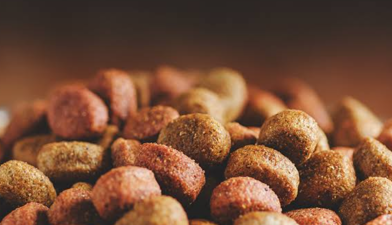
Pet feeding amount needs to be combined with weight, activity level, and metabolic rate. Beginners can refer to the following formula (using dry food as an example):
- Dogs: Daily feeding amount (g) = weight (kg) × 30 (puppy) / 20 (adult dog) → Example: 5kg puppy ≈ 150g/day, divided into 4 meals.
- Cats: Daily feeding amount (g) = weight (kg) × 20 (kitten) / 15 (adult cat) → Example: 3kg adult cat ≈ 45g/day, divided into 2 meals.
- Note: The above values are for reference only. Adjustments should be made based on your pet's stool (formed, not soft) and weight changes. Consult a veterinarian if your pet is overweight or underweight.
Feeding Time: Maintain a consistent schedule to avoid "begging anxiety."
- Dogs: A fixed time is recommended (e.g., 7 am and 5 pm). Puppies can have up to four meals a day, while adults only need two. Avoid strenuous exercise immediately after meals (to prevent gastric torsion).
- Cats: Cats are crepuscular animals, so it's recommended to feed them twice a day (morning and evening, different from human sleep patterns). Leave a small amount of food at night.
- Rabbits/Hamsters: Rabbit food twice daily (morning/afternoon), Timothy hay unlimited. Hamsters are active at night, so their main food can be added in the evening.
Feeding Tools: Hygiene > Aesthetics, Material Must Be Safe
- Food Bowl: Choose ceramic/stainless steel (to prevent bacterial growth), shallow (to prevent stress in cats with sensitive whiskers).
- Water Bowl: Change the water daily, use a running water fountain (to increase water intake and prevent urinary tract diseases).
- Measuring spoon: To avoid overfeeding due to hand tremors, a 10g spoon is recommended for precise control when feeding puppies/cats.
Is a raw meat diet beneficial for pets?
Raw meat may be easier to digest than commercially prepared dry or canned pet food, but homemade cooked food may also be easier to digest. However, a raw meat diet carries the risk of bacterial contamination, and if improperly formulated, pets may experience nutritional deficiencies. If you want to feed your pet less processed food, choose commercial products manufactured by companies that meet established quality control standards, preferably those that have undergone feeding trials.